


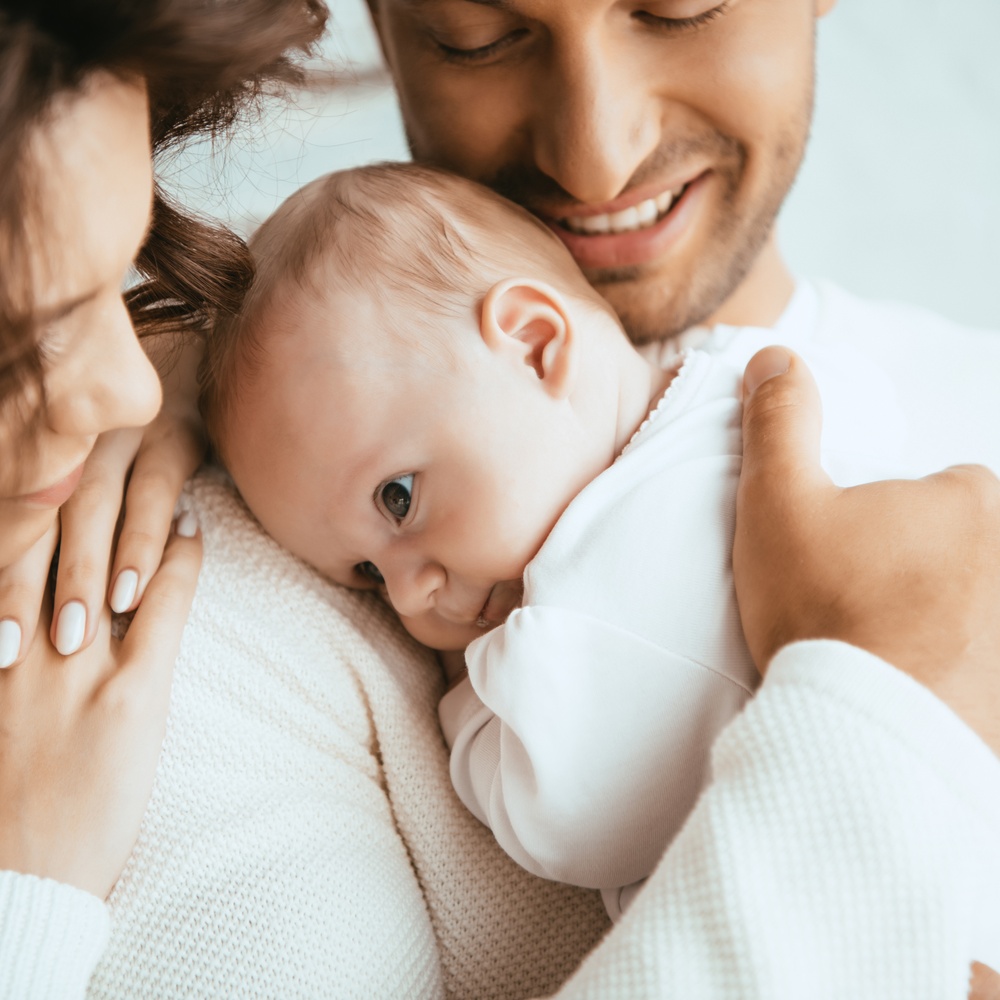
A baby’s first year can feel both wonderfully long and impossibly short. Days revolve around feedings, naps, and new routines, yet somewhere between those ordinary moments, a child begins to recognize familiar voices, reach for favorite objects, and reveal a personality all their own. Parents often want to remember everything, but trying to document every second can turn a meaningful season into another demanding task. The better approach is to choose simple ways of noticing, recording, and revisiting what makes this particular year special.
Start With Moments, Not Perfect Pictures
The most memorable photographs rarely require matching outfits or elaborate backgrounds. A sleepy stretch after a nap, a curious expression at breakfast, or a tiny hand wrapped around a parent’s finger can tell a richer story than a carefully staged portrait.
Keep a phone or camera nearby, but resist the urge to interrupt every interaction for a photograph. Sometimes writing down what happened afterward preserves the feeling better than an image could. A few genuine snapshots each month can capture the changing rhythms of family life without making documentation the center of it.
Build a Record of Everyday Changes
A monthly note can reveal changes that are easy to miss when they happen gradually. Record a favorite sound, an amusing habit, the foods a baby seems curious about, or the way they respond when someone enters the room. Include details about the adults, too: the song that calmed a difficult evening, a phrase grandparents repeated, or the small ritual that made bedtime easier.
These observations give future readers a glimpse of family life rather than just a timeline of milestones. A notebook, private digital album, or collection of letters can all work; consistency matters more than format.
Give Family Traditions Room to Grow
Traditions do not need to be inherited or elaborate to become important. A Saturday morning walk, a song sung before sleep, or a photograph taken in the same chair every season can gain meaning through repetition. During the first year, the baby may not understand the ritual, but the adults build a shared story around it.
As children grow, those familiar activities can become a comforting thread between different stages of life. Choose traditions that fit your household’s actual schedule, so they feel like moments to enjoy rather than obligations to maintain.
Invite Loved Ones Into the Story
Family memories become more textured when they include more than one perspective. Ask relatives to write a short note about meeting the baby, share a favorite family lullaby, or record a voice message telling a simple story.
Friends who live far away might contribute a photograph or a few lines about what they hope to do together someday. These contributions can be saved in one folder or keepsake box. They also make room for people who cannot attend every celebration, allowing a child to see how many relationships surrounded their earliest days.
Choose Keepsakes With a Story Behind Them
It is tempting to save every tiny outfit, card, and toy, but an overflowing box can make the most meaningful objects harder to appreciate. Select a handful of items that represent particular experiences: the blanket used on the ride home, a well-loved board book, or the outfit worn for a first family gathering.
Add a short note explaining why each item matters. When friends or relatives are choosing presents, the idea of making baby gifts feel more meaningful can be as simple as attaching a personal message or connecting a gift to a family tradition. The story attached to an object often matters more than its price.
Make Space for Sensory Memories
Photographs preserve appearances, but early family life also has sounds, textures, and familiar routines. Save a short recording of the squeals that accompany a favorite game or a grandparent singing a lullaby.
Write down the smell of a favorite meal cooking while the baby played nearby, or the feel of a warm afternoon spent outside. These details can bring memories back with surprising clarity years later. Be selective about what you record and store it privately when appropriate, especially when other children or relatives appear in the material.
Celebrate Growth Without Racing Ahead
First smiles, first attempts to crawl, and first words are exciting, but children develop at different paces. A memory project should never become a scoreboard. Rather than organizing the year only around expected achievements, notice emerging interests and personal quirks.
Perhaps the baby is fascinated by shadows, laughs at a particular sound, or watches the family pet with intense concentration. These observations help preserve the child’s individuality. They also remind parents that quiet, unremarkable days deserve attention even when no obvious milestone occurs.
Create a Simple First-Birthday Reflection
The first birthday offers a natural opportunity to gather what has been saved. Review photographs, choose a few favorite notes, and ask family members to share one moment they remember. A short letter describing the year can become a particularly valuable keepsake.
Include what surprised you, what changed in your household, and what you hope the child will understand about this time when they are older. There is no need to produce an elaborate scrapbook by the birthday itself. A small collection that can be added to later is often more manageable and more honest.
Keep the Process Sustainable
One of the best approaches to creating lasting memories during a baby’s first year is to make memory-keeping easy enough to continue. Set aside ten minutes at the end of each month to choose photographs and add a few sentences.
Back up digital files in more than one place, label folders with dates, and store physical keepsakes somewhere dry and secure. If a month passes without an entry, simply start again. The goal is not a flawless archive. It is a collection of details that helps your family remember how this new chapter actually felt.
Let the Ordinary Become the Legacy
Years from now, the most treasured memories may be the ones nobody thought were remarkable at the time: an afternoon spent watching rain, the way a baby settled against a familiar shoulder, or the laughter that followed a silly song. Creating lasting memories during a baby’s first year means giving those fleeting experiences a place in the family story. By recording small details, welcoming different voices, and keeping only what carries meaning, parents can preserve a year that was never ordinary to the people who lived it.
Image Credentials: by LIGHTFIELD STUDIOS, 299345803