


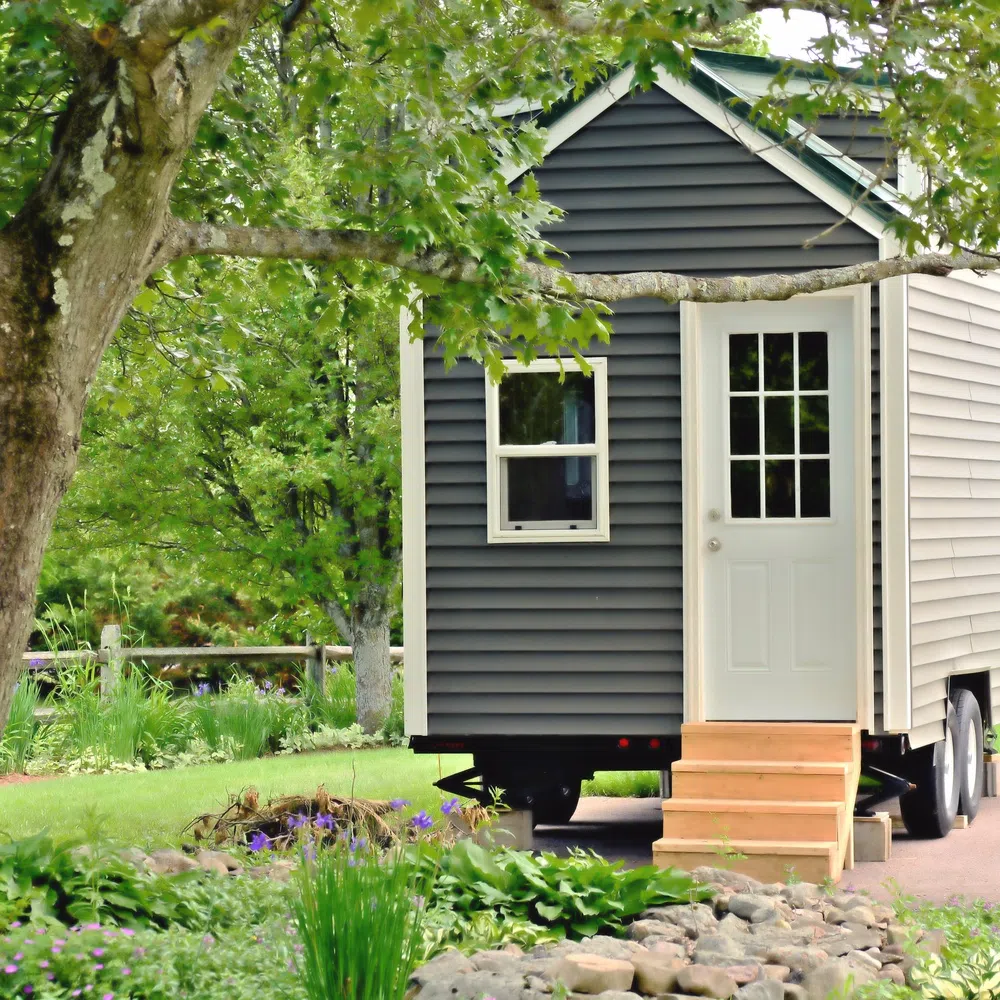
Tiny homes capture attention with their minimalist appeal and promise of financial freedom. These compact living spaces offer an alternative to traditional housing, but they require careful planning and realistic expectations.
Before you decide to live in a tiny home, understanding these important considerations, practical challenges, and lifestyle changes will help you make an informed decision about whether tiny home living aligns with your goals.
Legal Requirements and Zoning Laws
Most cities classify tiny homes differently than traditional houses, creating complex legal hurdles for prospective owners. Many municipalities prohibit tiny homes as permanent residences, while others require them to meet specific building codes that can be difficult to satisfy in such small spaces.
Investigate local zoning laws thoroughly before purchasing or building. Some areas allow tiny homes only as accessory dwelling units on properties with existing full-sized homes. Others permit them in designated tiny home communities or RV parks with proper permits.
Finding Suitable Land and Parking
Securing a legal place to park your tiny home presents ongoing challenges. Traditional neighborhoods often restrict tiny homes through homeowner association rules or municipal codes.
Options include:
- Tiny home communities with shared amenities
- Private land rental agreements
- RV parks that accept tiny homes
- Family or friend’s property with proper permits
Land in California, for example, commands premium prices even for tiny home parking, so factor these costs into your budget planning.
Financial Planning Beyond the Build Cost
While tiny homes cost less than traditional houses, hidden expenses add up quickly. Beyond the initial construction or purchase price, consider ongoing costs like land rental, utilities, insurance, and maintenance.
Many tiny home owners discover that specialized insurance policies cost more than expected. Traditional homeowner’s insurance rarely covers tiny homes, requiring RV insurance or specialized tiny home coverage that can be expensive and limited in scope.
Space Management and Storage Solutions
Living in 200-400 square feet demands creative organization and ruthless decluttering. Every item must serve multiple purposes or provide significant value to justify its space.
Successful tiny home living requires mastering vertical storage, multi-functional furniture, and seasonal item rotation. Many people underestimate how challenging it becomes to host guests, work from home, or pursue hobbies requiring equipment or supplies.
Utility Connections and Off-Grid Systems
Tiny homes require reliable utilities, but connections can prove complicated. Some tiny home owners choose off-grid systems with solar panels, composting toilets, and water storage tanks. These systems demand ongoing maintenance and technical knowledge.
Grid-connected tiny homes need proper electrical, water, and sewage hookups, which may not be available at all parking locations. Budget for utility setup costs and monthly service fees, which don’t decrease proportionally with your home’s size.
Making the Right Choice for You
Tiny home living has many things to consider and tends to suit people who prioritize experiences over possessions and enjoy problem-solving daily challenges. Success requires flexibility, creativity, and genuine commitment to simplified living.
Start by spending extended time in small spaces to test your comfort level. Rent a tiny home for a month or try extended camping trips to experience compact living before making permanent changes.
Image Credentials: By lowphoto, File 211275409