


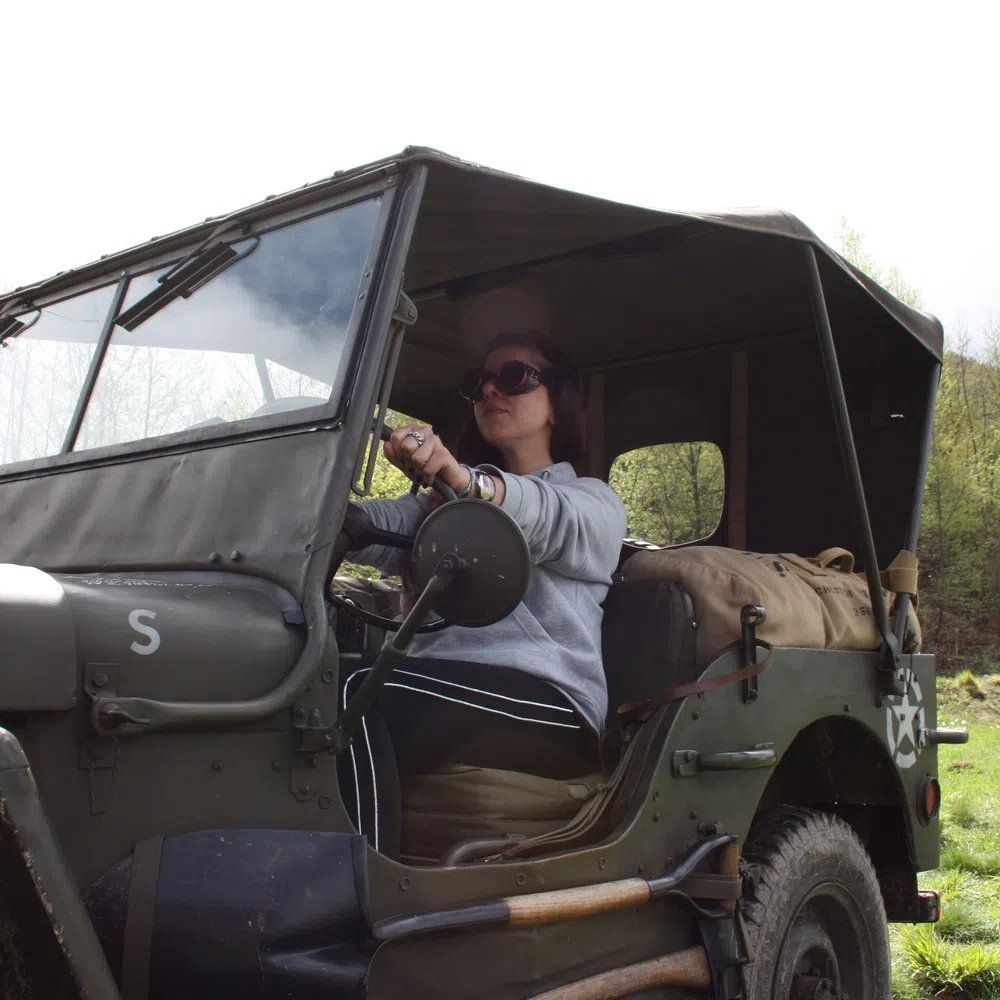
Properly storing your vintage Willys Jeep is crucial for protecting its value and integrity. Incorrect storage can lead to rust, fluid breakdown, and significant mechanical problems that are costly to fix. Following a few key steps for short-term and long-term care will ensure your classic vehicle remains in prime condition, ready for its next adventure.
Choose the Right Storage Environment
A climate-controlled garage or storage unit offers the best protection for your vintage Willys Jeep. Stable temperature and humidity levels prevent rust, corrosion, and cracking in rubber seals and wiring. This kind of environment is your first defense against deterioration.
Outdoor storage leaves your Jeep vulnerable to the elements. Even high-quality covers can trap condensation, leading to rust and mildew. Pests are also a bigger concern outside. If outdoor storage is your only option, place the Jeep on a concrete pad or vapor barrier and use a breathable, vehicle-specific cover to let moisture escape.
Prepare the Jeep for Long-Term Inactivity
Proper preparation before storage prevents long-term damage and keeps your Jeep ready for action when you need it.
Clean and Dry the Vehicle Thoroughly
Before putting your Jeep away, give it a thorough wash and wax. A clean exterior protects the paint from contaminants, and cleaning the undercarriage removes mud, salt, and grime that can cause corrosion. Make sure the entire vehicle is completely dry before covering it to prevent trapped moisture.
Address Fuel and Fluids
Fill the gas tank to about 90 percent and add a quality fuel stabilizer to prevent moisture buildup and rust. A nearly full tank reduces air space and protects internal components. Also, change the engine oil and filter, as old oil contains contaminants that harm the engine over time. Top off the brake, coolant, and transmission fluids—steps found in any thorough maintenance checklist for a vintage Willys Jeep—to keep seals from drying out.
Take Care of the Battery
A battery will lose its charge over time, so you should either disconnect the negative terminal or remove the battery entirely. For long-term storage, a trickle charger will maintain the battery’s health without overcharging it.
Protect Key Components
Even in storage, your Willys Jeep’s parts can wear down or deteriorate. Take these simple steps to keep everything in top shape.
Safeguard Tires and Suspension
Inflate the tires to the recommended pressure to prevent flat spots from developing. If you plan to store the Jeep for several months, consider placing it on jack stands to take the weight off the tires and relieve stress on the suspension components. This is one of the best practices for storing a vintage Willys Jeep.
Use a Proper Cover
You should cover your Jeep with a breathable, soft, and dust-resistant car cover. These covers allow air to circulate, prevent moisture buildup, and protect the paint from scratches and dust. Avoid using plastic tarps, as they trap moisture and can cause more harm than good.
Following the best practices for storing a vintage Willys Jeep protects your investment and preserves its legacy. With some planning and regular check-ins, your vehicle stays in top condition—always ready for the road ahead.
Image Credentials: Alessia, 332454572