


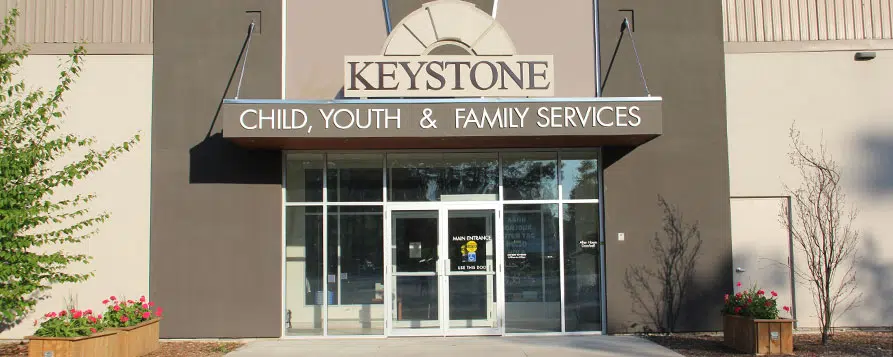
(Photo provided by Phil Dodd).
The Ontario government will be investing $4.75 million to expand mental health services for children and youth anywhere in the province.
The One-Stop Talk program is a virtual mental health walk-in program that is provincially scaled.
It’s in its pilot phase right now and is an opportunity for youth to connect with a clinician for solution-focused service.
Keystone Child, Youth & Family Services CEO David Willis says that the program is an opportunity for individuals to connect with a clinician for up to an hour, and if only one session is needed, then tools and resources are then provided to the client, along with any other next steps they can follow on their own.
Youths may contact the service through video call, chat, phone, or text from anywhere across the province, with no appointment necessary.
He explains, “Keystone is one of the six original pilots of the program, and so it means that our capabilities to provide service on a provincial scale is part of this program if expanded. The hope is in the next month, another 13 agencies will be coming on board, and then by the fall of this year, we’re looking at over 100 agencies to come online with us, and literally is creating this network of clinicians across the province that will be able to manage the calls and texts and video chats as they come through.”
However, if either the client or the clinician feels that more in-depth attention is needed, then the client is then connected with a ‘navigator,’ who will then help find a more personalized approach.
The navigator can help direct the client by understanding where they live, and their past history with child and mental health services in their area, to find a local professional who can assist further, including even doing the intake with the client on the line, so they are appropriately directed to the right place.
Willis says they hope to help around 300 clients per week, and once more agencies join in, they’ll be able to help even more.
He says, “We know through research there are a large number of young people who come into our sector, who don’t necessarily need ongoing clinical counselling. They need that one opportunity to work with a clinician to understand what’s going on, and then to receive some tools and tips to move forward,” adding that according to the data, up to 80% of kids that come through a walk-in model don’t ever show up again through the system, meaning they don’t need ongoing care.
However, he also says that young people may use the service as many times as they feel the need to.
He says that because it’s a de-centralized model, the One-Stop Talk program isn’t putting an excessive amount of demand on just one agency, because there is a network of support from mental health and counselling professionals.
This new walk-in approach helps get youth off waitlists, meeting them early and helping them before their issue gets worse, and giving the ones who need more ongoing care are then moved into a system that will provide them with it.
“When we designed this program, there was a lot of thought put into the idea that lots of communities don’t have walk-in services, so what we’re doing by creating this provincial approach to it is in fact allowing any community across the province to access this service,” says Willis, adding, “Right now it’s 12 hours a day, six days a week. Within four years we’ve committed to the ministry that we’ll move to a 24/7 model, which means for communities that may have a half-day a week or one day a week, they’ll now have access to that whenever they want and however they want.”
Once fully implemented, the program will be available to all children, youth, and their families.
Provincial Health Minister Sylvia Jones says that a benefit of the program is to provide quick access to mental health resources to children and youth in ways that they’re used to communicating.